German Spitz
(Szpic Niemiecki)
Origin: Germany
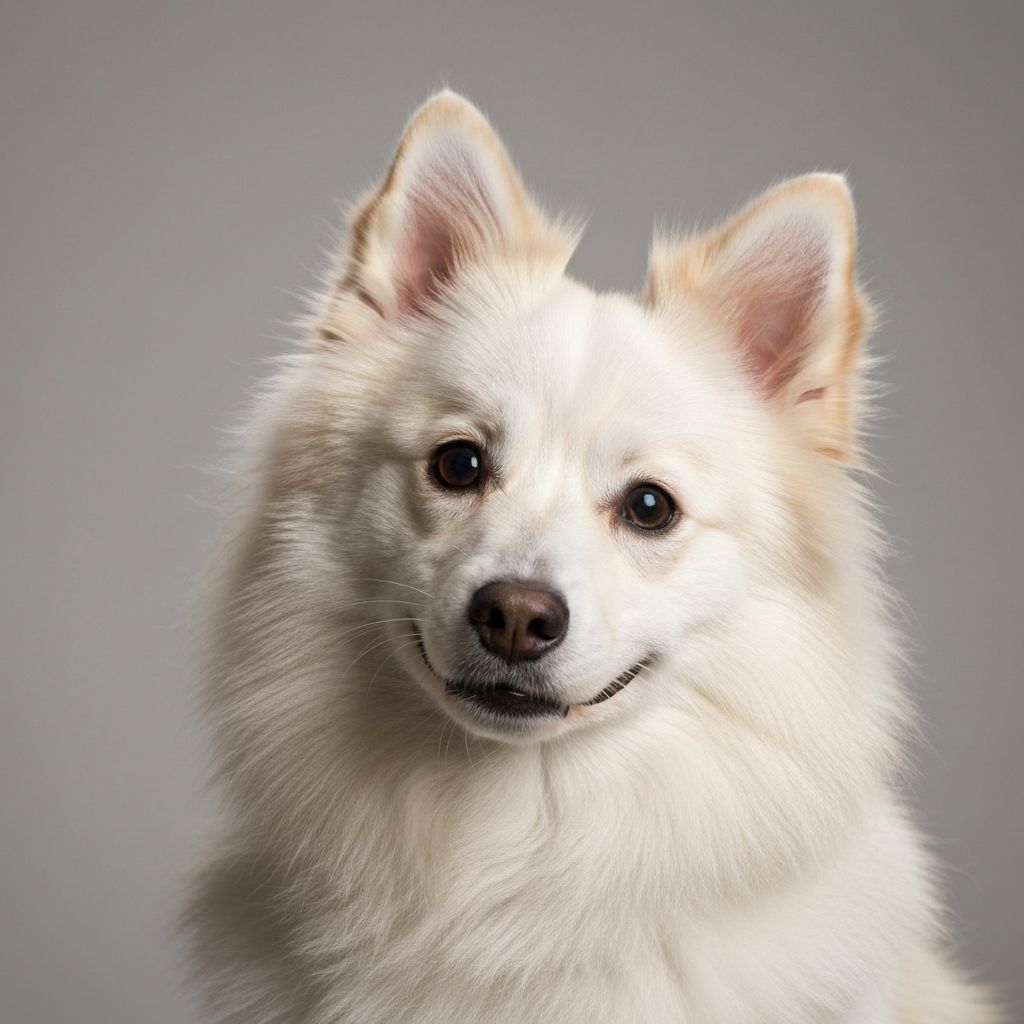
The German Spitz is a small, smiling little fox in an abundant coat, absolutely convinced that it is solely thanks to its vigilance that your house is still standing — and it performs this honorable service with the seriousness of a much larger dog.
The German Spitz lives in the deep, unshakable conviction that it is solely thanks to it that your house is still standing, no one has robbed it, and the mailman has been duly and firmly scared off. And — most amusingly — it is hard to deny it this conviction entirely, because this is precisely the service its ancestors performed for centuries. Spitzes are among the oldest dogs of Central Europe: for ages they sat in yards, on wagons, and on barges, vigilantly announcing everyone who approached and guarding their owners' property. All this history is contained today in a small, fox-eyed dog with a pointed muzzle, standing little ears, and a beautiful, fluffy collar, with the tail jauntily thrown over the back. And on top of this the Spitz has in it something that time seems not to touch: it looks and behaves like an eternal puppy — enthusiastic, sharp, and joyful right into late old age.
In practice this means that if within the radius of your neighborhood a leaf falls, a cat darts by, or the bell of a passing bicycle rings, the Spitz will inform you of it without delay — loudly, with fervor, and in the deep conviction that it has just averted a serious threat. It treats itself with all the seriousness of a professional: it patrols its beat, reports on guests long before they reach the door, and with evident satisfaction accepts the praise due to it for a job well done. It is, meanwhile, sharp like few others and lightning-fast learns everything — tricks, commands, and also, unfortunately, that with barking one can wring a great deal out of people. And at the same time this principled guardian is an incorrigible charmer: at the sight of a beloved human all its official seriousness vanishes somewhere, and what remains is a playful little fox that spins in circles, hops, and smiles that characteristic, upturned Spitz smile of its. The seriousness of duty and the pure joy of life vie for the upper hand in it all day long — and fortunately the latter usually wins.
Because all this vigilant bustling is in the Spitz above all an expression of a heart attached to the depths to its family. The Spitz barks and guards not because it is a distrustful malcontent, but because it is its own way of caring for those it loves — in its world vigilance is simply a form of tenderness. It is faithful, clings to its people, and wants to be at the very center of household life: to take part in everything and keep its loved ones in view. In return it repays with company full of cheer, wit, and inexhaustible energy that can brighten even the grayest day. It is a dog that, despite its small size, brings into the home plenty of character and warmth — a faithful friend in the disguise of a small, fluffy fox, for which your safety and your good humor are the two most important points of its daily service.
Although the Spitz is a small dog, its feeding has a few specifics worth remembering:
- Dental health first — small breeds are prone to tartar and periodontal disease, so a food supporting oral hygiene and regular care of the teeth matter greatly
- Weight and portion control — Spitzes easily put on weight, and every excess gram burdens the small joints, including the sensitive kneecaps
- The dense, double coat likes a diet rich in omega-3 and omega-6 fatty acids — these help keep the coat in full glory
- Full-value protein (roughly about 22–28%) matched to its moderate but lively activity — the Spitz is mobile and likes to have fuel for its patrols
Beyond diet, with the German Spitz it is worth keeping in mind a few matters:
- Kneecaps: patellar luxation can be a problem of small breeds — it is worth observing whether the dog limps or “skips” on a hind leg and consulting this with a vet
- Teeth: regular checkups and oral hygiene are the basis, because dental problems can affect the dog's whole health
- Coat and skin: the lush fur requires systematic brushing (especially during shedding season), which helps avoid mats and skin irritation
- Eyes and general condition: as in many small breeds it is worth remembering preventive examinations and reacting to any worrying signals
The small German Spitz carries within it a heart, vigilance, and joy of life greater than one might expect from its size — and it is precisely with this that it gifts the whole home. It is a dog that needs attention, movement, occupation for its sharp mind, and a bit of consistency (especially on the matter of barking), but in return it gives company with which it is simply hard to be bored.
Give it that attention, movement, occupation for its sharp little head, and a calm, consistent hand, and it will repay you with something priceless: a vigilant, faithful companion beside which no day is boring or lonely. Because when this little fox makes its evening rounds of its beat, checks that all household members are in their places, and then with a sigh of relief nestles into you, sure that it has fulfilled its day well — you feel that you have beside you someone who treats your home and your heart as the most important thing under the sun. And that is exactly what the German Spitz is: a tiny guardian of a great love.
See also: Pomeranian, Samoyed, Shiba Inu
Most common health issues
The kneecap slipping out of its proper groove, causing the knee to momentarily "skip" or lock. Very common in small and miniature breeds. A symptom can be periodic tucking-up of a hind leg while running and sudden, brief lameness. A lean build takes pressure off the joints, while supporting the cartilage with omega-3 fatty acids and the right calcium level promote knee stability.
Buildup of tartar and periodontal disease, which lead to gum inflammation, pain, and tooth loss, and chronically burden the whole body. It's worth looking inside the mouth and reacting to bad breath. Food with the right texture, chews, and regular brushing limit plaque buildup.
Health issues
2 most common conditions
Health issues
2 most common conditions
The kneecap slipping out of its proper groove, causing the knee to momentarily "skip" or lock. Very common in small and miniature breeds. A symptom can be periodic tucking-up of a hind leg while running and sudden, brief lameness. A lean build takes pressure off the joints, while supporting the cartilage with omega-3 fatty acids and the right calcium level promote knee stability.
Buildup of tartar and periodontal disease, which lead to gum inflammation, pain, and tooth loss, and chronically burden the whole body. It's worth looking inside the mouth and reacting to bad breath. Food with the right texture, chews, and regular brushing limit plaque buildup.
Nutritional needs
Proper hydration for your dog
Proper hydration is essential for a dog's health. Dogs need constant access to fresh water, especially on hot days and after physical activity. Wet food can serve as an additional source of fluids.